A Step-by-Step Guide to Transplanting Your Plants into New Pots or the Ground
- Landscaping PteLtd
- Mar 25
- 3 min read

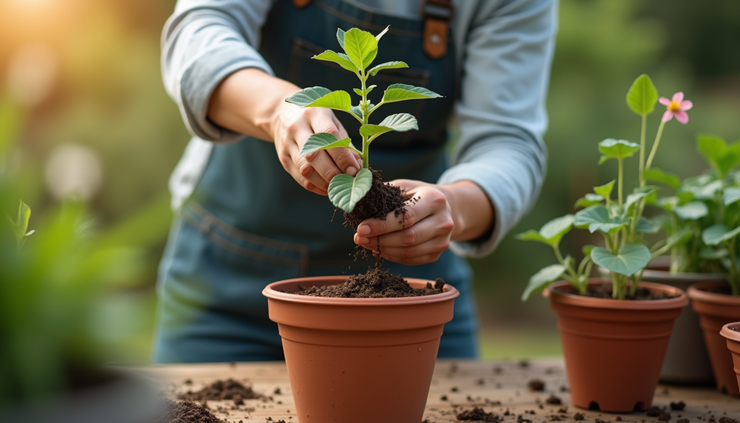
Transplanting a plant can feel intimidating, but it’s a crucial skill for any gardener or homeowner who wants their plants to thrive. Whether you’re moving a plant from a small pot to a big pot or planting it directly into the ground, the process requires care and attention to detail. I’ve learned through experience that following the right steps helps reduce transplant shock and encourages healthy growth. In this guide, we will walk you through everything you need to know to successfully transplant your plants.
Choosing the Right Pot or Location
Before you start transplanting, it’s important to select the right new home for your plant. If you’re moving it to a new flower pot, consider the size carefully:
Big pot: Choose a pot that is 1-2 inches larger in diameter than the current one. Too big a pot can cause water to pool and roots to rot.
Small pot: Avoid moving a plant to a smaller pot unless it’s root-bound and needs pruning.
If you’re transplanting into the ground, pick a spot that matches the plant’s sunlight and soil needs. Check drainage by digging a small hole and filling it with water. If the water drains within a few hours, the soil is suitable.
Preparing the Plant and Soil
Healthy soil is the foundation of a successful transplant. Whether you’re using potting soil or garden soil, make sure it’s loose, well-draining, and rich in nutrients. For pots, a mix of peat, compost, and perlite works well.
Before transplanting, water your plant thoroughly. Moist soil helps keep the root ball intact and reduces stress on the plant.
How to Remove the Plant from Its Current Pot
Removing the plant carefully is key to avoiding damage:
Water the plant a few hours before transplanting to soften the soil.
Gently tap the sides of the flower pot to loosen the soil.
Hold the plant at the base near the soil and carefully slide it out.
If the plant is stuck, use a knife or a flat tool to loosen the edges.
Inspect the roots. If they are circling the root ball tightly, gently tease them apart to encourage outward growth.
Transplanting into a New Pot or the Ground
For a New Pot
Add a layer of fresh soil to the bottom of the new pot.
Place the plant in the center, making sure the top of the root ball is about an inch below the pot’s rim.
Fill around the root ball with soil, pressing lightly to remove air pockets.
Water the plant thoroughly to settle the soil.
For Planting in the Ground
Dig a hole twice as wide and the same depth as the root ball.
Place the plant in the hole, ensuring the top of the root ball is level with the soil surface.
Fill the hole with soil, pressing gently to eliminate air pockets.
Water deeply to help the roots establish.

Caring for Your Plant After Transplanting
Transplanting can stress plants, so proper care afterward is essential:
Watering: Keep the soil consistently moist but not soggy for the first few weeks.
Shade: If the plant was in full sun, provide some shade for a few days to reduce stress.
Avoid fertilizing immediately: Wait 2-3 weeks before adding fertilizer to avoid burning new roots.
Monitor for pests and diseases: Transplanted plants can be vulnerable, so keep an eye out.
Troubleshooting Common Problems
Wilting: Usually caused by underwatering or root damage. Water deeply and check soil moisture.
Yellowing leaves: Could be overwatering or poor drainage. Ensure the pot has drainage holes and soil is not compacted.
Slow growth: May indicate the plant needs more nutrients or light.


Comments